A climate-resilient county is not measured only by the policies it adopts. It is measured by whether its health facilities can withstand climate-related hazards, whether its water systems serve communities reliably and whether public resources are available to prepare for risks before they become emergencies.
In Laikipia County, these questions are becoming increasingly important. At Ngobit Health Facility, structural cracks have raised concerns about the vulnerability of public health infrastructure. Elsewhere, pastoralist livelihoods face pressure from droughts, floods and invasive species, while gaps in water distribution continue to challenge the coordination of existing resources.
Each presents a different dimension of climate vulnerability. Together, they point to a larger question: how prepared are county institutions to translate climate policy into practical protection for people, services and livelihoods?
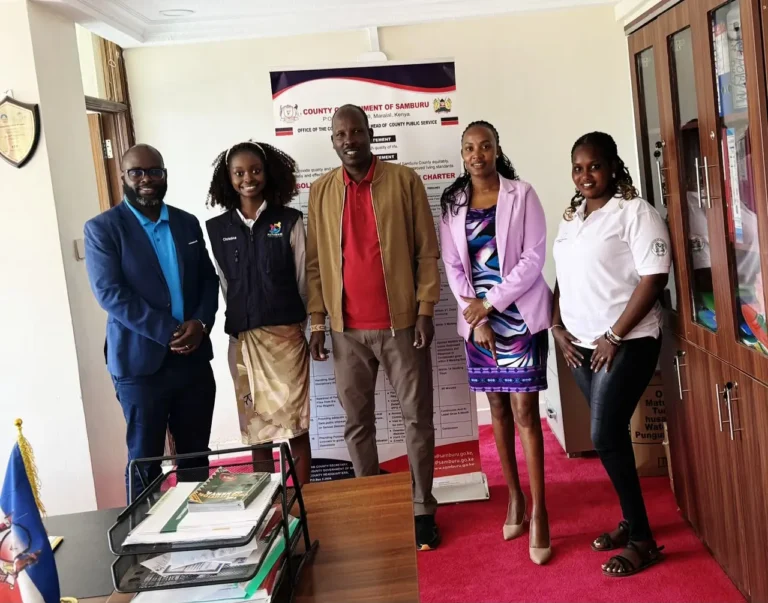
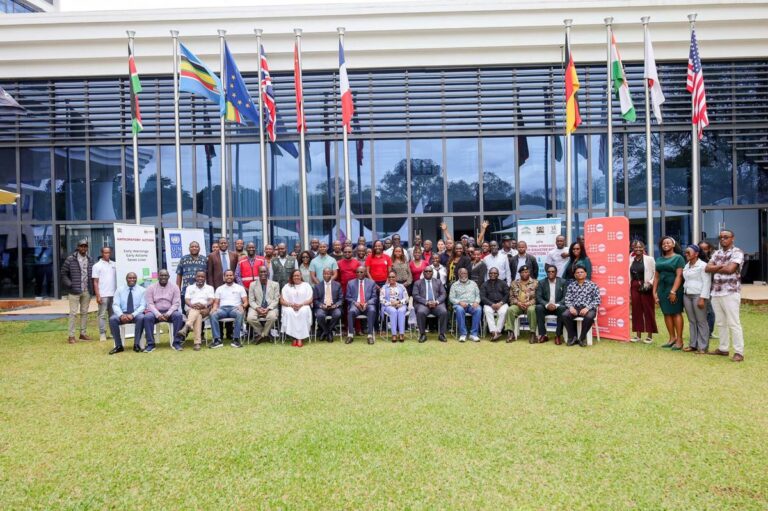
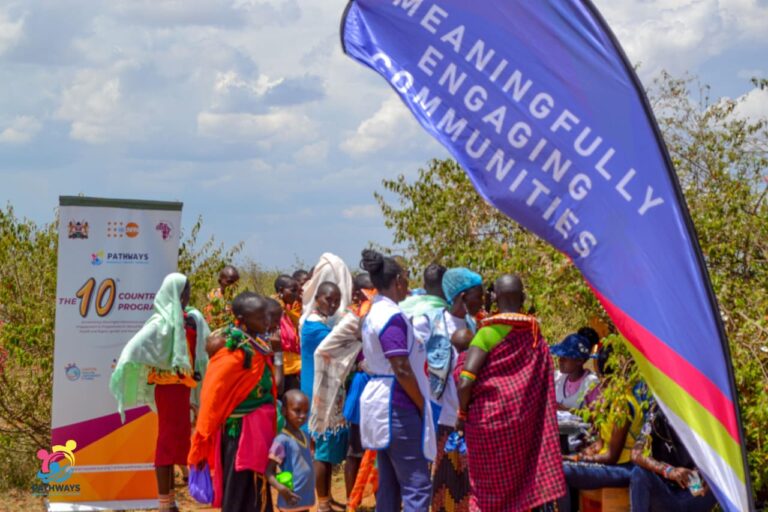
This is the question at the centre of the Strengthening Climate Resilience Systems (SCRS) project, supported by Panorama Global and implemented by Pathways Policy Institute (PPI) in Samburu and Laikipia counties. While engagements in Samburu have examined the implications of climate shocks for the continuity of essential health services, including sexual and reproductive health (SRH) and gender-based violence (GBV) services, the conversation in Laikipia is drawing attention to the policy, infrastructure and financing systems that underpin climate resilience.
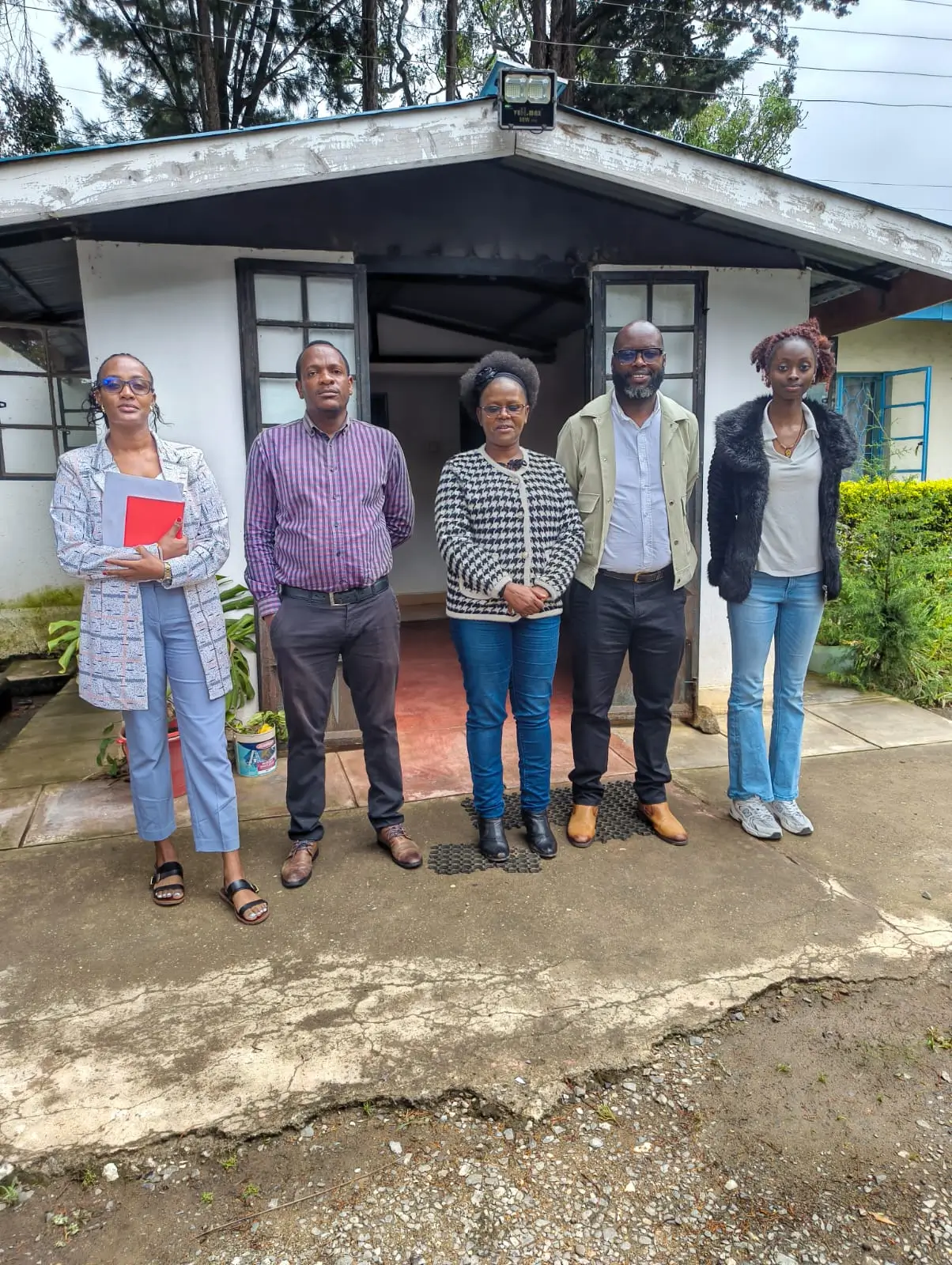
On 12 November 2026, PPI held discussions with the Laikipia County Department of Water, Environment and Natural Resources, meeting with the County Executive Committee Member (CECM), Hon. Leah Njeri and the Deputy Director of the Climate Change Unit, Mr. Edson Monda. The engagement examined the implementation of the county’s climate change policy, identified existing gaps and explored areas for collaboration.
The gap between knowing the risks and acting on them
One of the first challenges to emerge was the county’s capacity to assess and anticipate climate risks. Climate risk assessments remain weak, and Laikipia does not yet have a Greenhouse Gas (GHG) Inventory.
These are more than technical omissions. Climate risk assessments help governments understand which communities, infrastructure and economic activities are most exposed to climate hazards. They provide the evidence needed to prioritise adaptation measures and direct resources towards areas of greatest vulnerability.
A GHG Inventory serves a different but equally important purpose. It establishes the sources and scale of greenhouse gas emissions, providing a baseline against which emissions trends can be monitored and mitigation efforts assessed. Without this information, the county has a weaker evidence base for measuring progress towards its climate commitments.
The implications of limited climate intelligence become clearer when the discussion moves from planning documents to public infrastructure.
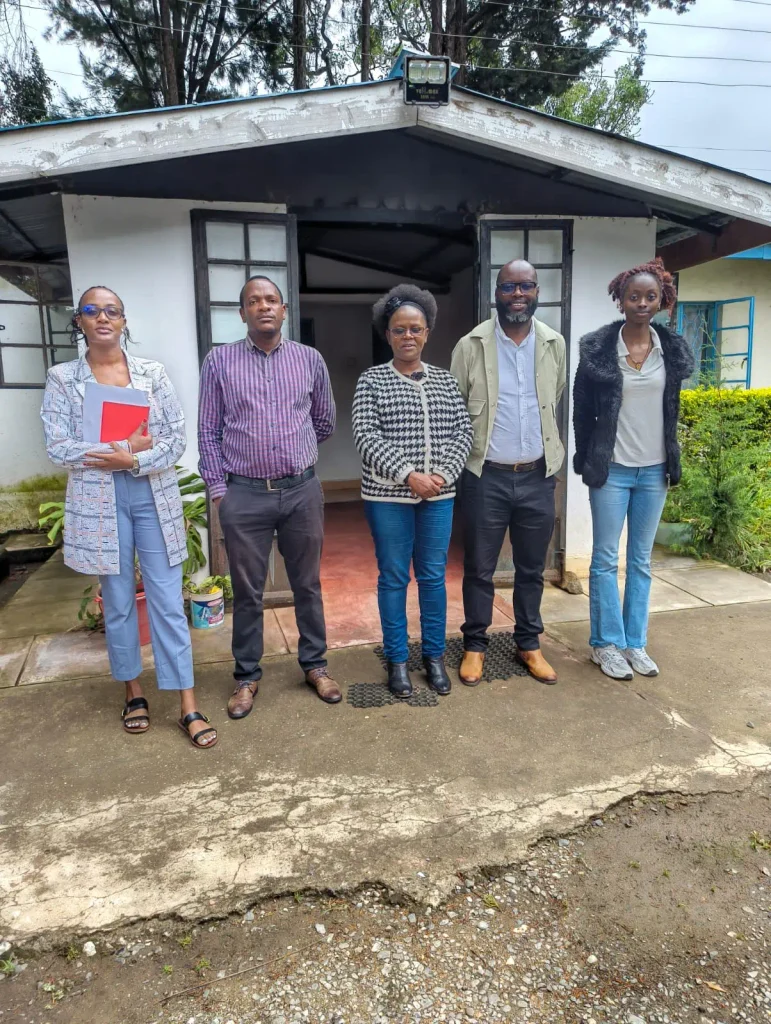
At Ngobit Health Facility, structural cracks were raised as an example of infrastructure vulnerability requiring attention. The discussion highlighted the need to understand how health facilities are assessed for climate related hazards and whether infrastructure planning adequately accounts for the risks that could disrupt essential services.
A health facility’s ability to remain functional during climate-related emergencies is part of health system resilience. When facilities are vulnerable, the consequences can extend beyond buildings to the availability and continuity of healthcare for surrounding communities. Establishing the specific climate risks at Ngobit will, however, require further technical assessment.
Water systems presented another challenge. Although the County Water Master Plan has mapped existing water assets, concerns remain about uncoordinated distribution. This raises an important distinction between knowing where infrastructure exists and ensuring that it delivers reliable access. Mapping water assets is a foundation for planning; coordination, management and investment determine how effectively those assets serve communities.
For pastoralist households, the stakes are particularly significant. Floods and droughts disrupt livelihoods, while invasive species add pressure to natural resources. Laikipia North and Laikipia West were identified as priority areas for further assessment, creating an opportunity to better understand the nature and distribution of climate risks affecting communities.
Climate resilience also depends on public finance
Even where risks are identified, the ability to respond depends on whether county institutions can mobilise and direct the necessary resources.
This brought the discussion to climate financing and disaster risk reduction. Questions emerged around the proposed two per cent budget allocation for disaster risk reduction, particularly the factors limiting its implementation.
The discussion also highlighted the need to strengthen budget literacy among Members of County Assembly (MCAs) and other stakeholders. Budget literacy matters because climate priorities do not become funded interventions simply because they appear in policy documents. Stakeholders need to understand how allocations are proposed, negotiated, approved and monitored if they are to meaningfully participate in decisions about public resources.
Equally important is anticipatory action: identifying potential hazards and investing in preparedness before they escalate into emergencies. For a county exposed to droughts and floods, the ability to act ahead of a crisis can influence how effectively communities, infrastructure and essential services withstand climate shocks.
The financing question, therefore, is not simply how much money is allocated to climate action. It is also whether resources are directed towards the right risks, whether vulnerable sectors receive attention and whether public institutions can account for the investments made.
From policy gaps to coordinated action
The engagement concluded with three proposed areas of follow-up collaboration.
The first is a multi-stakeholder inception meeting, proposed for the following week, bringing together the Departments of Health, Climate Change and Habitat to examine gaps within the county’s climate policies and identify opportunities for more coordinated action.
The second is research into climate risks affecting health facilities and community livelihoods, alongside a review of the County Climate Change Action Plan. This will provide an opportunity to examine whether existing policy priorities adequately respond to the vulnerabilities emerging across the county.
The third is further work on climate budget analysis and accountability, with a focus on understanding how climate-related resources are allocated, prioritised and monitored.
These areas of collaboration reflect an important reality: climate resilience cannot be delivered by one department working in isolation. Health infrastructure, water access, pastoralist livelihoods, environmental management and public finance are interconnected. Addressing vulnerabilities in one area without considering the others risks leaving significant gaps in the county’s overall preparedness.
For PPI, working alongside county institutions creates an opportunity to strengthen the evidence informing climate decisions, connect policy commitments to public investment and advance accountability in the implementation of climate action.
As the SCRS project progresses in Laikipia and Samburu, the focus remains on strengthening the systems that enable communities to withstand climate-related shocks and sustain access to essential services.
Laikipia’s challenge is not simply to have a climate policy. It is to ensure that the policy informs decisions about which health facilities need attention, how water resources are managed, which livelihoods require protection and how public finances can support preparedness.
Because resilience is ultimately built in those decisions long before the next drought, flood or other climate-related emergency arrives.

Published by
Pathways Policy Institute
We work with communities, governments and partners to make health, climate and public-finance policy accountable to the people it serves.
About us