When we talk about drought, the conversation often begins with livestock, water shortages, food security and the livelihoods of communities that depend on them. These are important concerns, particularly in arid and semi-arid counties such as Samburu.
But there is another question worth asking: what happens to healthcare when the climate becomes unpredictable?
For a pregnant woman who needs antenatal care, a young person seeking sexual and reproductive health information, or a survivor of gender-based violence looking for support, access to essential health services cannot be an afterthought during a climate emergency. Yet droughts, floods and extreme heat can disrupt the systems, infrastructure and services that communities depend on.
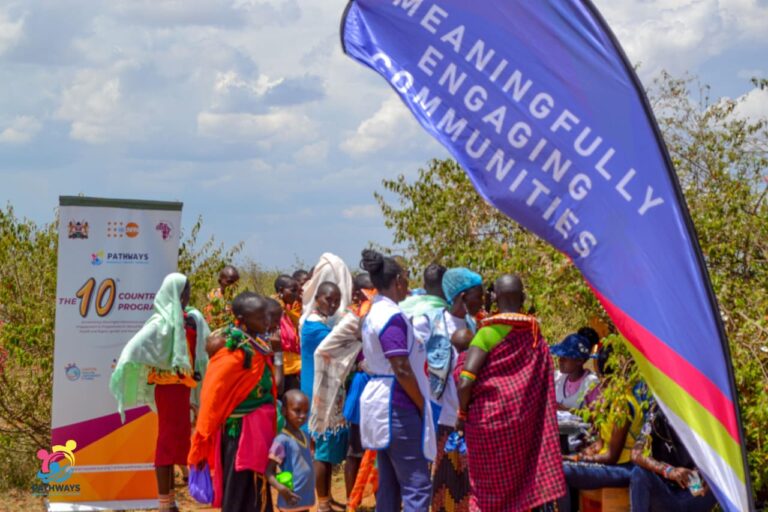
This is where climate change and health intersect. And it is the intersection that Pathways Policy Institute (PPI), with support from Panorama Global, is working to address in Samburu County through the Strengthening Climate Resilient Systems in Sexual and Reproductive Health (SCRS) project.
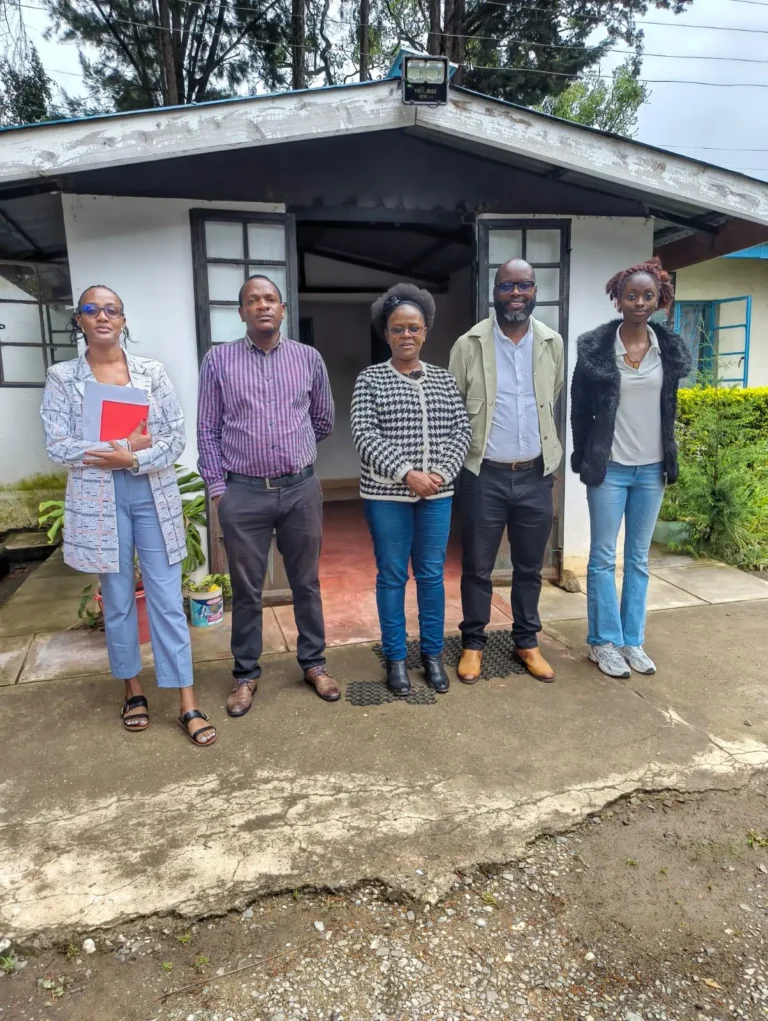
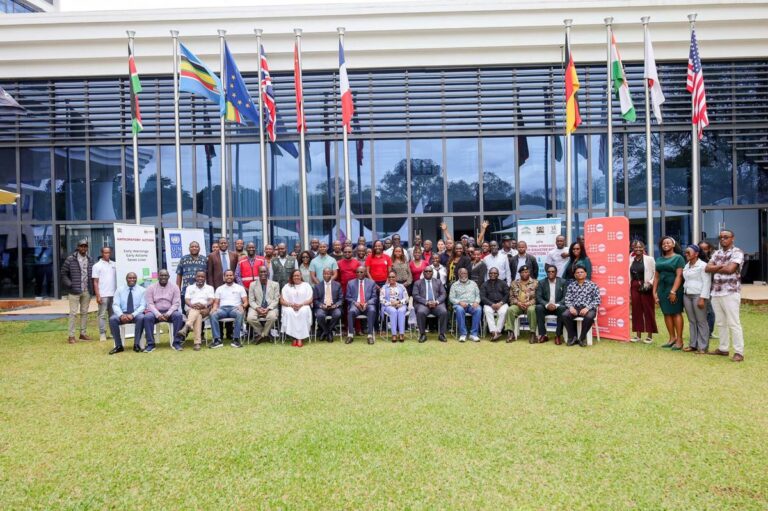
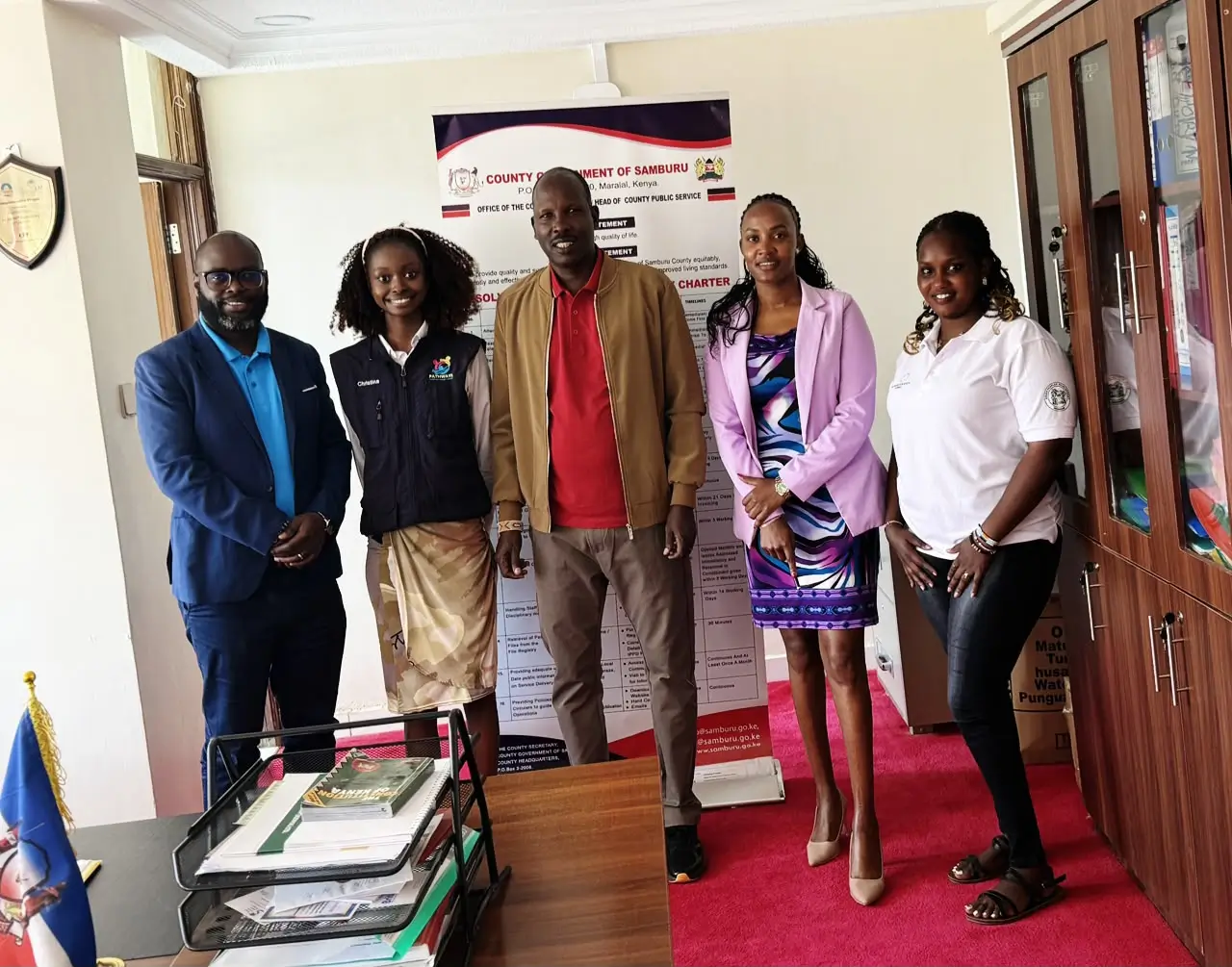
On 10 and 11 November 2026, PPI engaged the Samburu County Government in discussions on how climate change action and disaster risk reduction plans can better account for the health needs of communities.
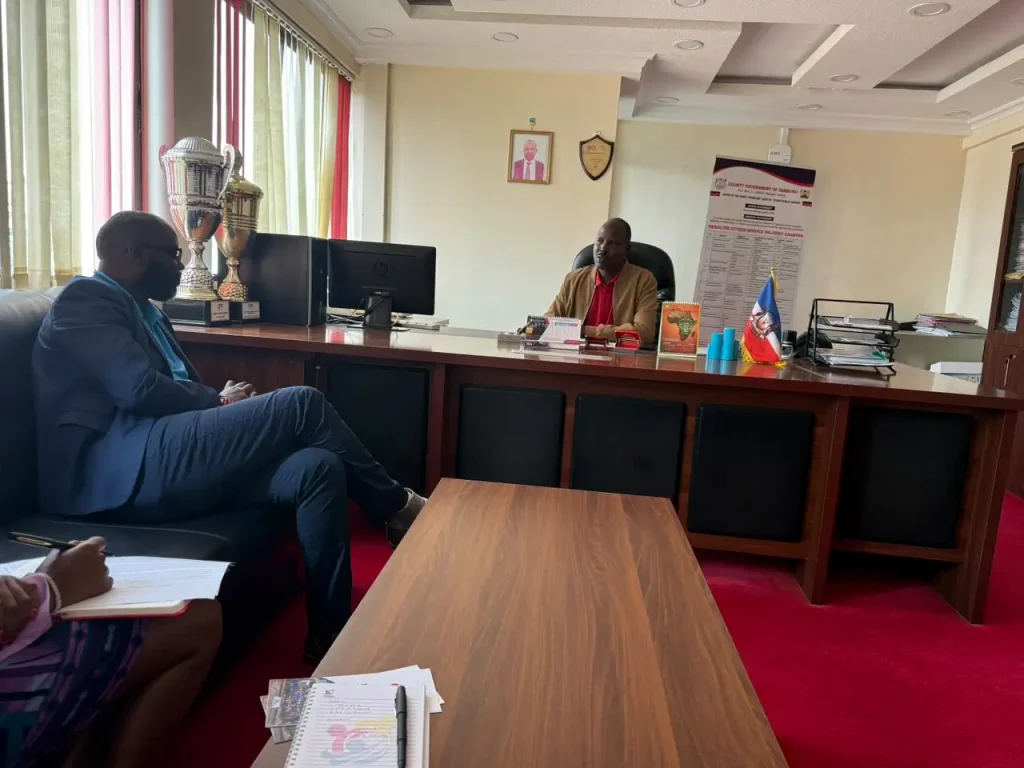
The engagement was held at the County Secretary’s office and led by Hon. Fredrick Lentrukan, Deputy County Secretary of Samburu County. The Deputy County Secretary brought in the Director of Health and the Deputy Director for Climate and Special Programmes, creating an opportunity for the different county departments to discuss the relationship between climate resilience and health service delivery.
PPI presented the SCRS project and its objective: to work with the County to strengthen the integration of sexual and reproductive health (SRH) and gender-based violence (GBV) services into climate change action and disaster risk reduction planning.
But why does this matter?
Consider a community experiencing prolonged drought. Water sources become scarce, households face increasing pressure and movement across long distances may become necessary. At the same time, health facilities must continue responding to the needs of women, girls and other community members.
Now consider a flood that disrupts roads or extreme heat that places additional pressure on already stretched health systems. Essential services do not suddenly become less important because an emergency has occurred. If anything, the need to plan for their continuity becomes greater.
Climate resilience in health systems is therefore about more than preparing facilities for extreme weather. It is also about ensuring that the services people need, including SRH and GBV response services, remain part of emergency preparedness and county planning.
The engagement also provided an opportunity to examine four sub-counties in Samburu where drought heavily affects health service delivery.
Understanding these geographical realities is important. Climate risks are not experienced equally across a county, and the barriers communities face may differ from one area to another.
By examining the four sub-counties, PPI and county representatives began identifying where the project’s policy review, stakeholder interviews and youth engagement should focus.
The timing is equally significant. Samburu is approaching the end of its 2022–2027 County Integrated Development Plan (CIDP). This creates an important opportunity to examine the commitments already made by the County and consider how climate change, disaster risk reduction and health priorities can be better connected.
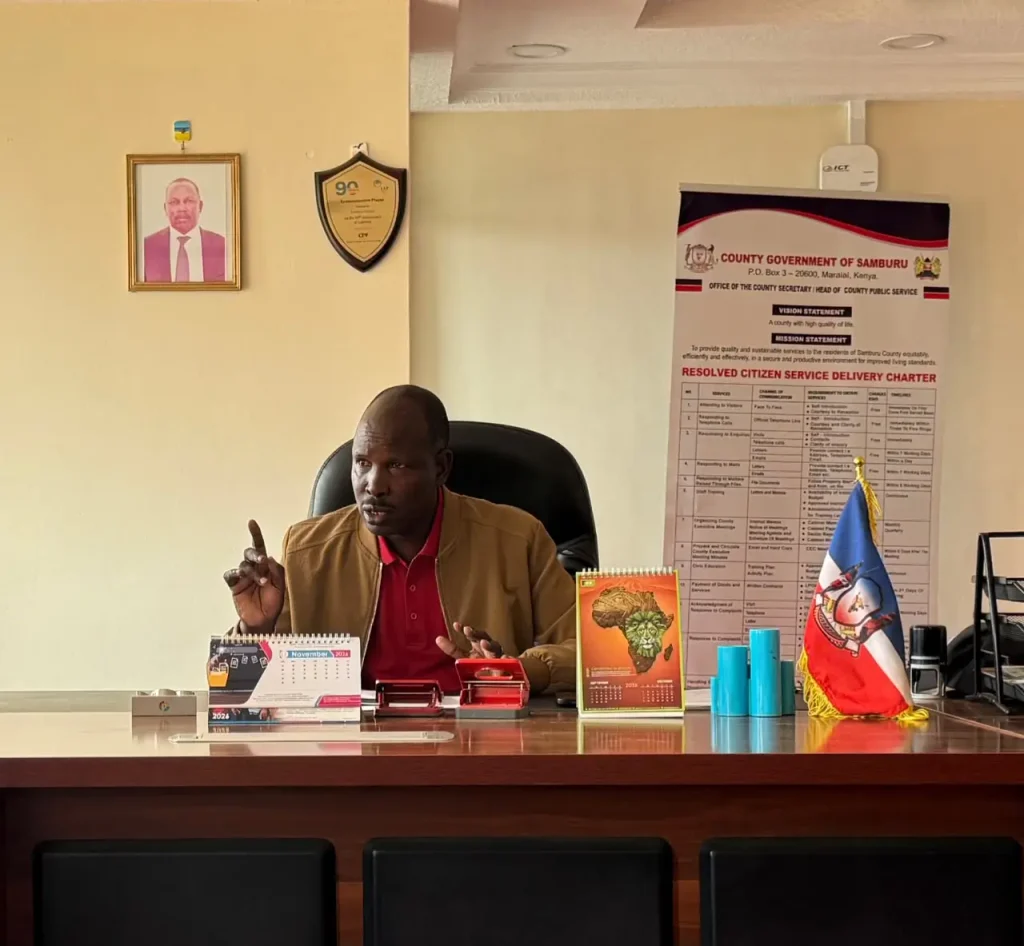
Through SCRS, PPI will review the County’s climate change, DRR and health plan commitments to identify opportunities for stronger coordination and more responsive planning.
The work will also include key informant interviews to gather perspectives from relevant stakeholders and youth engagement to ensure young people’s priorities are part of the conversation.
Climate change will shape the lives of today’s young people for decades to come. Their experiences, concerns and priorities therefore belong in conversations about how counties prepare for its effects.
Through the SCRS project, PPI will support youth leaders to present their climate justice and SRHR priorities directly to county departments.
This is important because young people should not only be recipients of policies developed on their behalf. They should also have opportunities to contribute to the decisions that shape their health, rights and futures.
The engagement with Samburu County is an important step in PPI’s work to connect climate policy with the realities of health service delivery.
With support from Panorama Global, PPI is working towards county planning processes that recognise that climate resilience and health systems cannot be treated as separate conversations.
The ambition is straightforward: when drought, floods or extreme heat affect communities, access to essential health services should remain a priority.
Because climate change is not only about the environment we live in. It is also about the services we can access, the rights we can exercise and the protection we can count on when circumstances become difficult.
A climate-resilient future must also be one in which women, girls and communities are not left behind when they need healthcare most.

Published by
Pathways Policy Institute
We work with communities, governments and partners to make health, climate and public-finance policy accountable to the people it serves.
About us