

Climate change is often discussed through rising temperatures, droughts, floods and changing rainfall patterns.
But climate change is also a health issue.
It can affect the conditions in which people live, the availability of food and water, exposure to infectious diseases, air quality and the ability of health facilities to continue operating during climate-related emergencies.
For Kenya, this means climate policy and health policy cannot be treated as completely separate areas.
The country’s Ministry of Health has recognised this connection through the Kenya Climate Change and Health Strategy 2024–2029, which aims to strengthen the health system’s ability to respond to climate-related health risks.
For organisations working at the intersection of health, environment and climate justice, this creates an important policy question:
How can Kenya build health systems that are resilient to a changing climate?
Climate change is already a health concern
Climate-related hazards can influence health through several pathways.
Extreme heat can increase health risks.
Flooding can disrupt health services and infrastructure.
Drought can affect food security and nutrition.
Changing environmental conditions can influence infectious disease patterns.
Air pollution can worsen respiratory and cardiovascular health.
Climate shocks can also make existing inequalities more severe.
The people who have the fewest resources to adapt may have fewer options when healthcare, food, water or livelihoods are disrupted.
That is why climate change is also an issue of health equity and climate justice.
Maternal and newborn health deserves particular attention
One of the emerging areas in climate and health policy is the relationship between extreme heat and maternal and newborn health.
WHO notes that climate hazards, including extreme heat, are associated with adverse maternal and perinatal outcomes, including risks involving preterm birth, low birth weight, stillbirth and pregnancy complications.
In March 2026, WHO, UNICEF, UNFPA and other partners convened discussions in Nairobi on extreme heat and maternal, newborn and child health, highlighting the need to integrate maternal and newborn health into climate policies, programmes, monitoring and financing.
This is important because climate policies can sometimes focus heavily on environmental indicators without adequately examining health outcomes.
A climate-resilient health strategy needs both.
Kenya has a climate and health policy framework
Kenya’s Climate Change and Health Strategy 2024–2029 identifies climate change as a growing threat to public health and seeks to strengthen health systems, surveillance, governance and climate-resilient practices.
The strategy also connects climate and health with the One Health approach, recognising the relationship between human, animal and environmental health.
This is significant.
Health does not exist in isolation from the environment.
A household’s health can be affected by the water it uses, the air it breathes, the food it can access, the climate conditions it experiences and the strength of the local health system.
What does a climate-resilient health system look like?
Climate resilience means that health systems can continue providing essential services while preparing for, responding to and recovering from climate-related disruptions.
This can involve several areas.
Climate-resilient facilities
Health facilities need infrastructure capable of functioning during heat, floods, water shortages and other disruptions.
Reliable energy
Health facilities depend on electricity for essential equipment, refrigeration, information systems and clinical services.
Kenya’s climate and health strategy identifies healthier energy transitions and air-quality improvements within healthcare among its priority areas.
Strong surveillance systems
Health authorities need timely information to identify changing disease patterns and emerging climate-related risks.
Community preparedness
Communities should have access to information and practical systems that help them respond to climate-related health risks.
Climate-informed health planning
Health departments need to consider climate risks when developing policies, budgets, infrastructure plans and service delivery strategies.
Why communities must be part of climate-health policy
National strategies provide direction, but communities experience climate change locally.
A pastoralist community may experience drought differently from an urban settlement.
A farmer may experience changing rainfall differently from a coastal community.
A pregnant woman exposed to extreme heat may experience a climate-related health risk differently from a person working indoors.
This means climate-health interventions need local evidence.
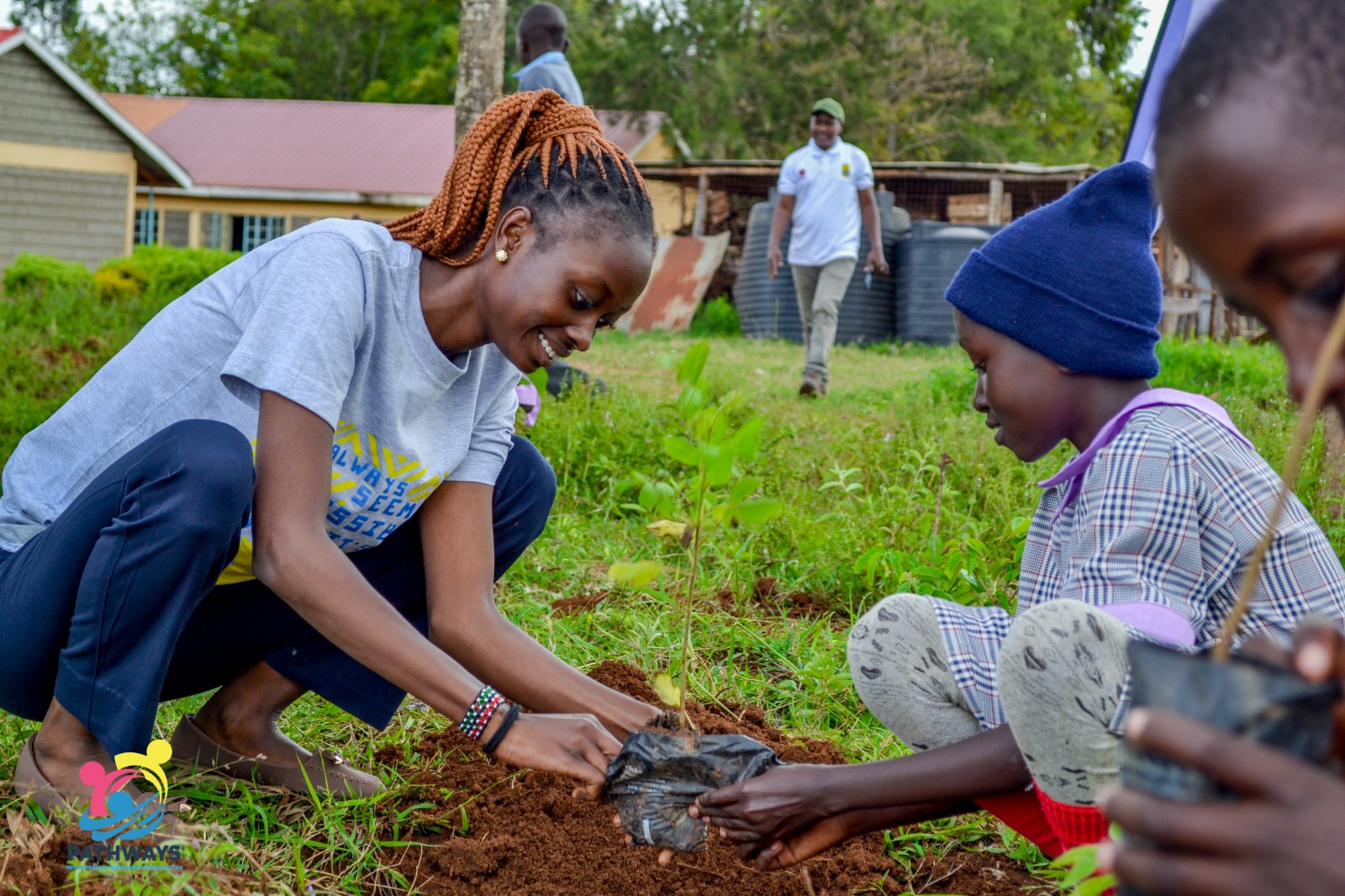
PPI’s organisational model is particularly relevant here because its work focuses on meaningful community engagement around population, health, environment and climate justice.
Community participation can help policymakers identify risks that may not be captured adequately through national-level analysis.
Climate change can expose weaknesses in health systems
A climate shock rarely creates every health system problem from scratch.
Instead, it can expose weaknesses that already exist.
A flood may reveal inadequate infrastructure.
A drought may expose food insecurity.
A heatwave may demonstrate the absence of heat-health planning.
A disruption to transport may reveal fragile medicine supply chains.
This is why climate resilience should not be treated as a separate project that sits outside health system strengthening.
It should be integrated into everyday planning.
Financing climate and health action
Policies require resources to become reality.
Climate-health financing therefore needs to address both adaptation and health system resilience.
Kenya has already been exploring partnerships and investments around climate-health research, workforce capacity and climate-related health interventions. The Ministry of Health reported in 2025 that the country was seeking to strengthen partnerships and investment around climate-health research and workforce development.
At the same time, health budgets are already under pressure from multiple priorities.
This makes evidence particularly important.
Policymakers need to understand which climate-health interventions can protect communities, strengthen systems and deliver measurable benefits.
Climate justice and health equity
Climate change does not affect everyone equally.
People living in vulnerable environments may have fewer resources to adapt.
People dependent on climate-sensitive livelihoods can experience economic and health consequences simultaneously.
Women, children, older people, people with disabilities and people living with existing health conditions may face particular risks during climate-related events, although vulnerability varies by context.
A climate justice approach therefore asks not only:
How much is the climate changing?
It also asks:
Who is most exposed, who has the fewest resources to respond, and whose voice is represented in the decisions being made?
These questions should inform climate-health policy.
What can Kenya do next?
Several actions can strengthen the country’s climate-health response.
1. Integrate climate risk into health planning
County and national health plans should consider climate-related risks alongside traditional health priorities.
2. Strengthen community health systems
Community-level health structures can help identify risks early and connect households with appropriate services.
3. Invest in climate-resilient infrastructure
Health facilities need reliable energy, water, sanitation and infrastructure capable of operating during climate shocks.
4. Improve climate-health data
Better data can help decision-makers understand where climate risks are greatest and which populations are most affected.
5. Include maternal and newborn health
Climate and health programmes should explicitly consider pregnancy, childbirth and newborn health.
6. Support community participation
Communities should have meaningful opportunities to contribute to climate-health planning and accountability.
From climate policy to climate-health action
Kenya has made important policy commitments around climate change and health.
The next step is implementation.
That means translating strategies into county plans, budgets, health programmes, infrastructure investments, research and community action.
It also means ensuring that climate policy does not remain an environmental conversation disconnected from people’s everyday health.
Climate change can affect whether a woman has a safe pregnancy, whether a child can access healthcare, whether a family has enough food and whether a health facility can continue operating during an emergency.
Climate action is therefore also health action.
Building climate-resilient communities requires building health systems that are prepared for the realities of a changing climate.
For Pathways Policy Institute, this intersection between health, environment, evidence and community voice represents an important space for policy research and meaningful public engagement.
About Pathways Policy Institute
Pathways Policy Institute works to create safe spaces where communities and advocates can meaningfully influence public health and environmental policies through research, training and capacity strengthening. The organisation identifies population, health, environment and climate justice as interconnected areas of its work.