
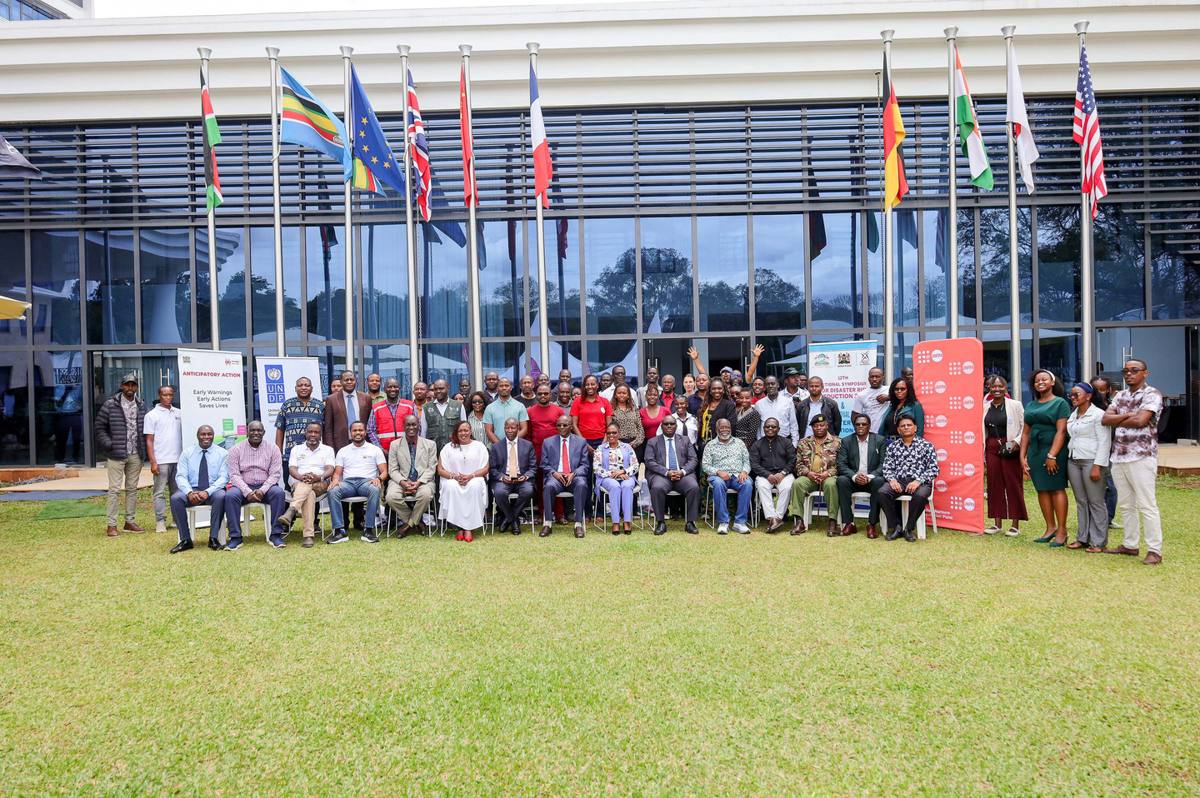

Reflections from the 12th National Disaster Risk Reduction Symposium | Nakuru County, October 2026
By Peter Ngure
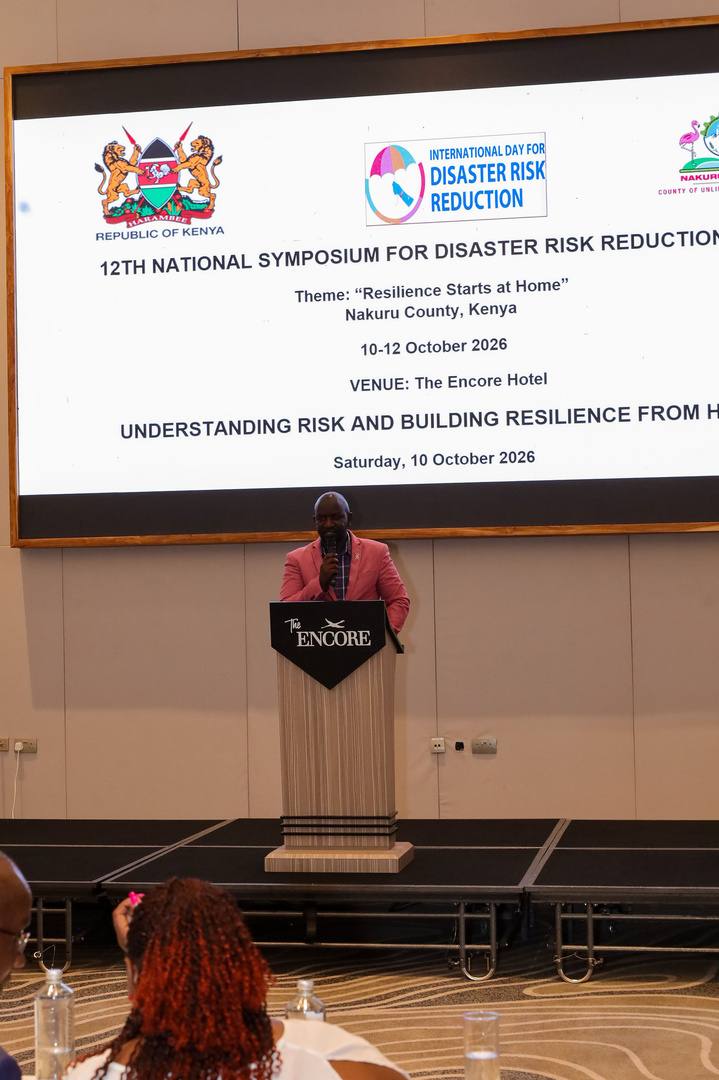
Resilience is often discussed through policies, preparedness frameworks and early warning systems. But its real measure is simple: what can a family do when disaster threatens? At the 12th National Disaster Risk Reduction Symposium in Nakuru, held under the theme “Resilience Starts at Home,” Pathways Policy Institute (PPI), with support from Panorama Global, reflected on what preparedness means for households, particularly women and girls.
Discussions on rising Lake Turkana water levels highlighted the human cost of displacement. With 56% of residents in affected areas reportedly relocated and 42% facing the prospect of their homes being submerged, the impact extends beyond losing shelter. Families face disrupted livelihoods, education and healthcare. Women, especially those with caregiving responsibilities, must have a meaningful voice in decisions about relocation, recovery and resource allocation.
Kenya’s Anticipatory Action Roadmap 2024–2029 provides a framework for acting before hazards escalate. However, an early warning is only useful when people can act on it. Transport, safe shelters and timely financial support determine whether families can respond. For a pregnant woman, preparedness also means knowing she can still access maternity care. Resilience must therefore move beyond warnings to practical support at household level.
Financing remains a major challenge. Under Sections 110–113 of the Public Finance Management Act, county emergency funds cover urgent, unforeseen expenditure, subject to a ceiling of 2% of the previous year’s audited county revenue. This is a spending limit, not an automatic allocation. Participants noted that requests to finance responses to foreseeable floods and droughts can face objections because such risks should be addressed through regular budgets. Yet their timing and severity remain uncertain. We recommend reviewing the legal framework and operational guidance to clarify financing for anticipatory action, including legislative amendments where necessary. The National Treasury, counties and Controller of Budget should agree on eligible activities, forecast triggers and timely approvals.
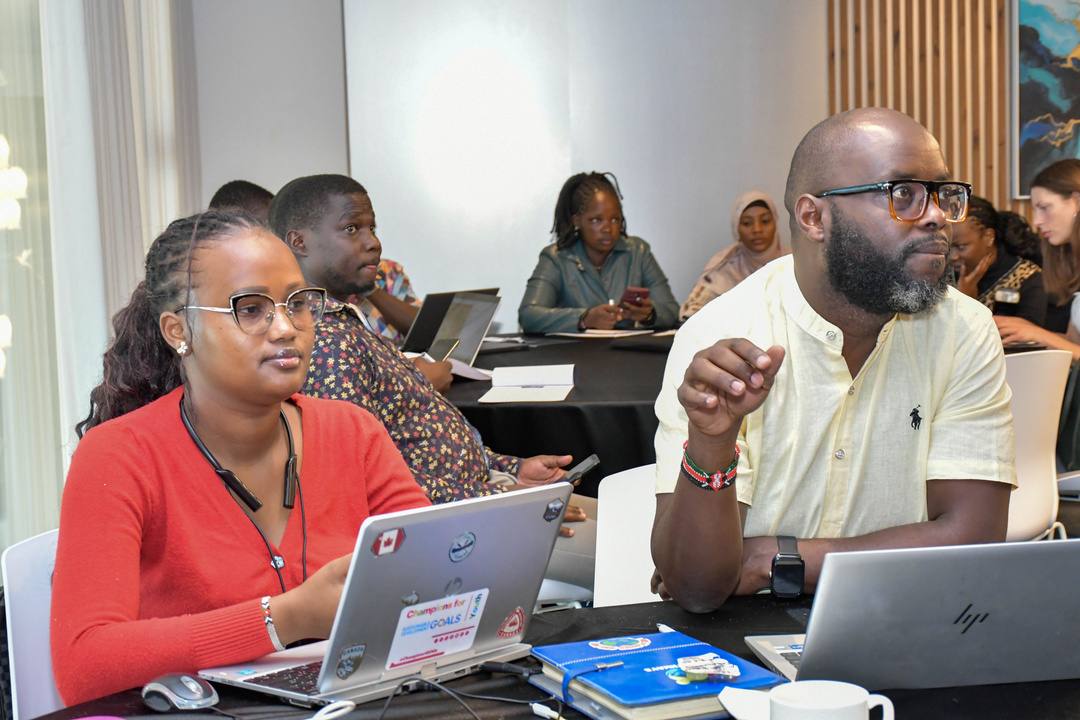
For PPI, financing reforms must prioritise women’s health and protection. This includes maternity transport, pre-positioned reproductive health and menstrual supplies, safe shelters and continuity of essential healthcare during emergencies. Women, young people and persons with disabilities must also influence preparedness and recovery decisions. These are fundamental measures of whether resilience works for everyone.
As Kenya considers the next phase of its anticipatory action framework, progress should be measured by what reaches communities, not simply by the commitments made. Between the 12th and 13th symposia, we should see financing enable early action, women influence decisions and essential healthcare continue through crises.
Resilience starts at home, but making it possible is the responsibility of the systems that serve that home.